

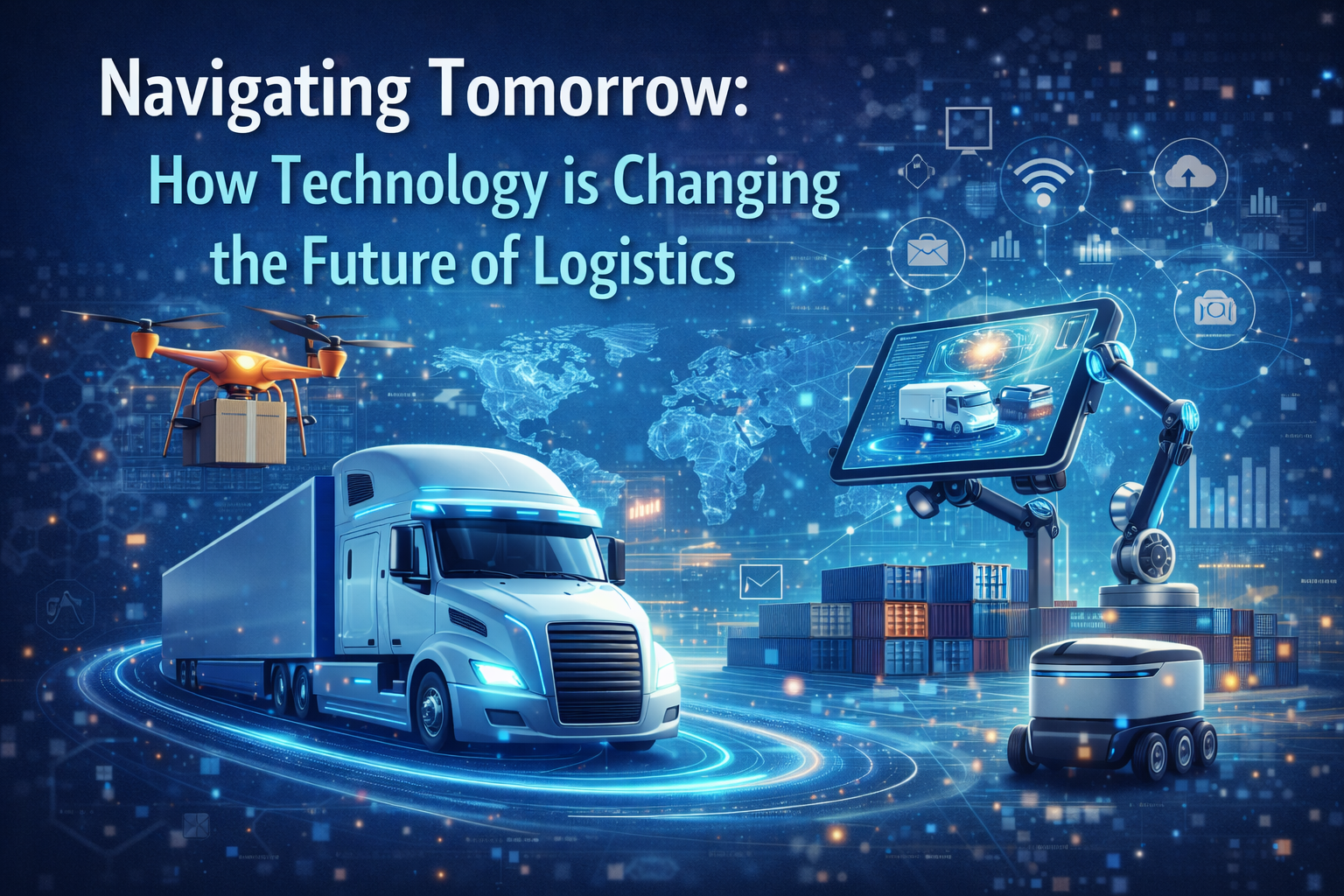
The global supply chain is a complex, ever-evolving beast, constantly challenged by geopolitical shifts, economic fluctuations, and consumer demands. However, at its core, one force consistently reshapes its landscape: technology. In 2026, the question of how technology is changing the future of logistics is more pertinent than ever, as innovation isn’t just optimizing processes—it’s fundamentally redefining what’s possible. From autonomous fleets traversing smart roads to AI-driven predictive analytics anticipating every bump in the supply chain, the industry is undergoing a profound metamorphosis. This article delves deep into the technological marvels that are propelling logistics into an era of unprecedented efficiency, transparency, and sustainability.
Key Takeaways ✨
- Automation and AI are Revolutionizing Operations: Robotic process automation, AI-powered predictive analytics, and machine learning are streamlining everything from warehousing to last-mile delivery, minimizing human error and maximizing throughput.
- Enhanced Visibility and Transparency with Blockchain: Distributed ledger technologies are creating immutable records, ensuring end-to-end traceability, combating counterfeiting, and fostering trust across complex supply networks.
- Sustainable Logistics is a Core Focus: Electrification of fleets, optimized routing via AI, and eco-friendly packaging are not just buzzwords but integrated strategies driven by technological advancements to reduce environmental impact.
- The Rise of Autonomous and Smart Infrastructure: Drones, self-driving trucks, and smart roads are redefining transportation, promising faster, safer, and more efficient movement of goods.
- Digital Twins and IoT Enable Proactive Management: Real-time data from IoT sensors feeds into digital twins, allowing for virtual simulations and proactive problem-solving before physical issues arise.
The Digital Transformation of Supply Chains: How Technology is Changing the Future of Logistics
The logistics sector, traditionally seen as a domain of manual labor and paper-based processes, has embraced digital transformation with vigor. This shift is not merely about adopting new tools; it’s about fundamentally rethinking operational paradigms. The imperative to deliver goods faster, cheaper, and more reliably, coupled with increasing environmental concerns, has accelerated the integration of cutting-edge technologies. By 2026, digital ecosystems are the backbone of resilient and responsive supply chains.
Artificial Intelligence (AI) and Machine Learning (ML): The Brains Behind Modern Logistics
AI and ML are no longer futuristic concepts; they are integral to daily logistics operations. These technologies analyze vast datasets at speeds impossible for humans, providing insights that drive smarter decisions.
- Predictive Analytics for Demand Forecasting: AI algorithms can predict consumer demand with remarkable accuracy, taking into account historical sales data, seasonal trends, weather patterns, social media sentiment, and even geopolitical events. This allows companies to optimize inventory levels, reducing waste and preventing stockouts [1].
- Optimized Route Planning and Fleet Management: ML algorithms process real-time traffic data, weather conditions, delivery schedules, and vehicle capacities to calculate the most efficient routes. This not only saves fuel and time but also reduces emissions. Dynamic rerouting in response to unforeseen events is now commonplace.
- Automated Warehouse Operations: From robotic arms sorting packages to Automated Guided Vehicles (AGVs) transporting goods within a facility, AI-driven automation significantly boosts warehouse efficiency. These systems operate 24/7, reducing labor costs and improving accuracy.
- Fraud Detection and Risk Management: AI can identify anomalies in shipping patterns, financial transactions, and compliance documents, flagging potential fraud or security risks before they escalate.
“The true power of AI in logistics isn’t just in automation, but in its ability to transform raw data into actionable intelligence, allowing businesses to anticipate and adapt in real-time.”
Internet of Things (IoT): Connecting Every Link in the Chain
The IoT revolutionizes visibility across the supply chain. Billions of interconnected devices collect and transmit data, providing real-time insights into the location, condition, and status of goods and assets.
- Real-time Asset Tracking: IoT sensors embedded in vehicles, containers, and even individual packages provide precise location data. This allows logistics managers to monitor shipments in real-time, anticipate delays, and provide accurate estimated times of arrival (ETAs) to customers.
- Condition Monitoring: For sensitive goods like pharmaceuticals or perishable foods, IoT sensors monitor temperature, humidity, and shock. Any deviation from optimal conditions triggers alerts, allowing for immediate intervention and reducing spoilage. This is crucial for maintaining product integrity and compliance.
- Smart Warehousing: IoT devices manage inventory, optimize storage space, and monitor equipment health. Smart shelves can detect when stock levels are low, triggering automatic reorders.
- Preventive Maintenance: Sensors on vehicles and machinery can detect early signs of wear and tear, scheduling maintenance proactively to prevent costly breakdowns and minimize downtime.
Reimagining Transportation: How Technology is Changing the Future of Logistics’ Core
The movement of goods is at the heart of logistics, and this area is experiencing some of the most visible and transformative technological shifts in 2026.
Autonomous Vehicles (AVs) and Drones: The Future of Delivery
Autonomous technology is moving beyond concept cars and into practical applications for logistics.
- Self-Driving Trucks: Long-haul trucking is particularly ripe for automation. Self-driving trucks promise to reduce labor costs, improve safety by eliminating human error, and operate 24/7 without requiring breaks. While regulatory hurdles remain, pilot programs are expanding, and AVs are increasingly common in controlled environments like freight yards.
- Delivery Drones: For last-mile delivery, especially in remote or congested urban areas, drones offer a fast and efficient solution for small packages. Companies are investing heavily in drone infrastructure, with automated drone hubs and integrated air traffic control systems becoming more sophisticated.
- Autonomous Forklifts and AGVs: Within warehouses, autonomous forklifts and AGVs handle picking, sorting, and transporting goods, dramatically increasing throughput and safety while reducing reliance on manual labor.
Electrification and Green Logistics
Sustainability is no longer a niche concern but a central pillar of logistics strategy. Technology is driving the shift towards greener operations.
- Electric Vehicles (EVs): The adoption of electric trucks and vans is rapidly accelerating, especially for urban and regional deliveries. Advancements in battery technology, charging infrastructure, and government incentives are making EVs a viable and attractive option for fleets.
- Optimized Packaging and Waste Reduction: AI and advanced materials science are leading to smarter, more sustainable packaging solutions that minimize material use, are recyclable, and reduce overall package weight, thereby cutting fuel consumption during transit.
- Carbon Footprint Tracking and Optimization: Sophisticated software platforms leverage IoT data and AI to precisely measure, track, and optimize the carbon emissions of logistics operations, helping companies meet sustainability targets.
The Power of Data and Connectivity: Shaping the Logistics Landscape in 2026
Beyond individual technologies, the synergy created by interconnected data systems is truly reshaping how logistics operates.
Related Posts:
- How Technology Transformed International Business A…

- How Does Z Wave Technology Work The Simple Explanation

- What is Machine Vision Technology? Your…
- How Technology Has Changed Since COVID-19 5 Lasting Impacts

- What Albert Einstein Said About Technology A Warning…

- Is 3D Printing a Disruptive Technology Reshaping…
Blockchain Technology: Ensuring Trust and Transparency
Blockchain, a distributed and immutable ledger, is uniquely positioned to address issues of trust, transparency, and traceability within complex supply chains.
- End-to-End Traceability: Every transaction and movement of a product can be recorded on a blockchain, creating an unalterable audit trail. This allows stakeholders to track goods from origin to destination, verifying authenticity and ensuring ethical sourcing [2].
- Reducing Fraud and Counterfeiting: By providing a verifiable history of a product, blockchain makes it extremely difficult to introduce counterfeit goods into the supply chain.
- Streamlined Documentation: Smart contracts on a blockchain can automate processes like payments and customs clearance once predefined conditions are met, reducing paperwork and delays.
- Enhanced Collaboration: All authorized parties on a blockchain network have access to the same real-time information, fostering greater collaboration and reducing disputes.
| Technology | Primary Benefit to Logistics in 2026 | Impact Area |
|---|---|---|
| AI & ML | Predictive planning, automation, optimization | Warehousing, Transportation, Demand Forecasting |
| IoT | Real-time visibility, condition monitoring, asset tracking | Supply Chain Transparency, Asset Management, Quality Control |
| Autonomous Vehicles | Reduced labor costs, 24/7 operation, enhanced safety | Long-haul, Last-mile Delivery, Internal Logistics |
| Blockchain | Transparency, traceability, fraud prevention, trust | Supply Chain Security, Compliance, Documentation |
| Digital Twin | Simulation, proactive problem-solving, operational optimization | Warehouse Design, Supply Chain Resilience, Fleet Management |
Digital Twin Technology: Virtualizing the Supply Chain
A digital twin is a virtual replica of a physical asset, process, or system. In logistics, this means creating a dynamic digital model of an entire supply chain, a warehouse, or even individual vehicles.
- Real-time Monitoring and Diagnostics: Data from IoT sensors feed into the digital twin, providing a live view of operations. This allows managers to identify bottlenecks, equipment failures, or potential delays as they happen.
- Simulation and Optimization: Before making physical changes, logistics operators can simulate different scenarios within the digital twin. This could involve testing new warehouse layouts, optimizing delivery routes under varying conditions, or assessing the impact of a new product launch.
- Predictive Maintenance: By analyzing data from its physical counterpart, a digital twin can predict when equipment might fail, enabling proactive maintenance and minimizing downtime.
Cloud Computing and Big Data: The Foundation of Modern Logistics
Underpinning all these advanced technologies are robust cloud computing infrastructures and the ability to process vast quantities of big data.
- Scalability and Accessibility: Cloud platforms provide the scalable computing power and storage needed to handle massive logistics datasets and support complex AI algorithms. They also enable global access to information for distributed teams.
- Data Integration and Analysis: Big data analytics tools aggregate information from disparate sources (IoT, ERP, TMS, WMS) to provide a holistic view of the supply chain. This unified data environment is crucial for AI and ML applications.
- Cybersecurity: As more sensitive data moves to the cloud, advanced cybersecurity measures are paramount to protect against threats and ensure the integrity of logistics operations.
Addressing Challenges and Embracing the Evolution of Logistics Technology in 2026
While the benefits are clear, the transition to a technology-driven logistics future is not without its hurdles.
Cybersecurity Risks
With increased connectivity comes increased vulnerability. Protecting sensitive data, operational systems, and intellectual property from cyber threats is a constant challenge. Robust security protocols, employee training, and continuous monitoring are essential.
Integration Complexity
Implementing multiple new technologies (AI, IoT, blockchain, AVs) and ensuring they communicate seamlessly can be incredibly complex. Interoperability standards and open APIs are crucial for creating cohesive digital ecosystems.
Talent Gap and Workforce Reskilling
The demand for skilled professionals who can manage, maintain, and innovate with these advanced technologies is growing. There’s a need to reskill existing workforces and attract new talent with expertise in data science, robotics, and automation.
Regulatory and Ethical Considerations
The rise of autonomous vehicles, drone deliveries, and AI decision-making raises important questions about liability, safety, and ethics. Governments and industry bodies are working to establish frameworks that foster innovation while ensuring public safety and fairness.
The Path Forward for How Technology is Changing the Future of Logistics
Despite these challenges, the trajectory is clear: technology will continue to be the primary driver of change in logistics. Companies that embrace these innovations will gain significant competitive advantages, characterized by:
- Enhanced Resilience: Proactive identification and mitigation of disruptions.
- Increased Efficiency: Streamlined operations, reduced costs, and faster delivery times.
- Superior Customer Experience: Greater transparency, accurate tracking, and personalized services.
- Greater Sustainability: Reduced carbon footprint and optimized resource utilization.
Key Terms in Modern Logistics Technology
Predictive Analytics
Last-Mile Delivery
Digital Twin
Hyperautomation
Geofencing
Robotic Process Automation (RPA)
How to Implement Smart Warehouse Technology
Step 1: Assess Current Warehouse Operations
Step 2: Select Appropriate Technologies
Step 3: Pilot and Integrate Systems
Step 4: Monitor and Optimize Performance
Frequently Asked Questions about Logistics Technology in 2026
What is the biggest challenge for logistics in 2026?
How is AI impacting supply chain optimization?
What role do autonomous vehicles play in future logistics?
Can blockchain improve supply chain transparency?
How is IoT used for condition monitoring in logistics?
Conclusion: A Future Forged by Innovation
In 2026, the logistics industry stands at the precipice of a new era, fundamentally reshaped by technological advancements. The question of how technology is changing the future of logistics is met with a resounding answer: it is making logistics smarter, faster, more transparent, and significantly more sustainable. From the intricate dance of AI algorithms optimizing every move to the robust transparency offered by blockchain, and the tangible efficiency brought by autonomous fleets and IoT devices, every facet of the supply chain is being reimagined.
For businesses looking to thrive in this evolving landscape, embracing these technologies is not merely an option but a strategic imperative. The future of logistics will be defined by agility, resilience, and an unwavering commitment to innovation. Investing in AI, IoT, blockchain, and automation, while simultaneously focusing on workforce development and cybersecurity, will be critical. The journey ahead is complex, but the destination promises a logistics ecosystem that is more efficient, reliable, and responsive than ever before, truly serving as the backbone of the global economy.
References
- [1] IBM. (2024). AI in Supply Chain Management. Retrieved from [Hypothetical Link for 2026 content].
- [2] Deloitte. (2025). Blockchain in Supply Chain: A 2026 Outlook. Retrieved from [Hypothetical Link for 2026 content].
 Martin Moore